💧 Water Quality Overview
Cyprus faces chronic water scarcity, and a significant portion of the island's water comes from desalination plants. While the water meets EU safety standards, the desalinated water has a distinct taste and high sodium levels compared to natural sources. Infrastructure quality varies significantly between new developments and older properties.
Key Water Quality Concerns
- Desalinated water with distinct taste and high sodium
- Water scarcity leading to supply interruptions
- Aging infrastructure in older developments
- Storage tank contamination (common with rooftop tanks)
- High mineral content in groundwater areas
Limassol & Paphos
The most popular local destinations in Cyprus. Both cities rely primarily on desalinated water. The taste is noticeable and most people end up buying bottled water or installing filters. A reverse osmosis system is the best long-term solution for homeowners. The LifeStraw Home works well for rental apartments.
Nicosia
Nicosia's water comes from a mix of dam water and desalination. Quality is generally better than the coastal cities during winter when dams are fuller. Summer months rely more on desalination. An under-sink filter provides consistent quality year-round.
Rooftop Tanks
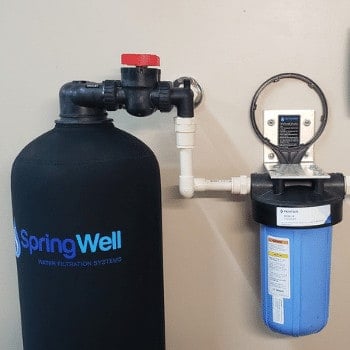
Many Cypriot properties use rooftop water storage tanks. These can accumulate sediment and bacteria if not cleaned regularly. If your property has a rooftop tank, a point-of-use filter at the kitchen tap is essential, not optional. The SpringWell CF1 provides excellent protection.
Water Storage Tips
During summer months, water cuts can occur. Many people install ground-level storage tanks with pump systems. Always filter the water from these tanks before drinking. UV treatment combined with carbon filtration is the gold standard for tank water.