πŸ‡ͺπŸ‡Έ

Best Water Filters for Residents in Spain (2026 Guide)

Spain has safe tap water, but extreme hardness on the Mediterranean coast and strong chlorination make filtration practically essential.

πŸ’§ Water Quality Overview

Spanish tap water is safe to drink and meets all EU standards. However, water hardness varies dramatically β€” the Mediterranean coast (Costa del Sol, Costa Blanca, Barcelona) has extremely hard water, while Madrid has some of the best tap water in Europe. Chlorine levels are higher than most northern European countries.

Key Water Quality Concerns

Costa del Sol & Andalusia

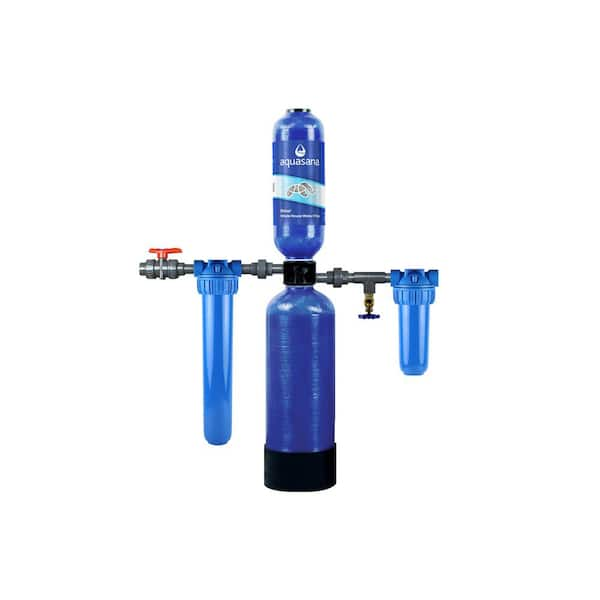
The Costa del Sol has some of the hardest water in all of Europe. Many coastal areas now use desalinated water, which is safe but has a distinct taste. Limescale is a constant battle. For homeowners, the Aquasana whole-house system protects your entire property. For apartments, a reverse osmosis system under the sink is the best investment.

Barcelona & Catalonia

Barcelona's tap water is notoriously poor-tasting due to high mineral content and chlorination. The Llobregat river source contributes to the taste issues. Most locals buy bottled water or use filters. For people, an under-sink RO system or at minimum a quality pitcher filter is practically mandatory.

Madrid & Central Spain

Madrid has excellent tap water sourced from mountain reservoirs. It's soft, clean, and many residents drink it straight from the tap. A quality carbon block filter for taste refinement is all most people need here.

Valencia & Murcia

Water in the Valencian Community and Murcia comes largely from groundwater and desalination. Hardness is high, and agricultural runoff from intensive farming adds nitrate and pesticide concerns. We strongly recommend at least an under-sink filter with NSF 53 certification.

Good news about water

Water Wins in Europe

Positive stories about rivers, restoration, and clean water across the Mediterranean and beyond.

Europe-wide Oct 2025

EU Adopts European Water Resilience Strategy

The Council of the EU officially adopted the European Water Resilience Strategy, committing to restore rivers, lakes, and wetlands and guaranteeing clean, affordable water for all Europeans by addressing pollution at the source.

wareg.org β†—
Croatia 2025

Croatia's First Dam Removals Reconnect Plitvice Rivers

Eight obsolete river barriers were removed at Plitvice Lakes National Park β€” the first dam removals in Croatia's history β€” reconnecting 7.6 km of river and restoring habitat for the endangered Danube trout.

damremoval.eu β†—
Italy Sep 2025

Italy's Liri River Flows Free After Dam Removal

A 30-metre dam on the Liri River was dismantled by Rewilding Apennines, freeing over 11 km of waterway. Thousands of juvenile Mediterranean trout were released to repopulate the restored river.

rewildingeurope.com β†—
Greece 2025

Greece Launches First Roadmap for River Restoration

MedINA published Greece's first practical roadmap for removing river barriers β€” a critical step that unlocks funding and policy support for dam removal across the Mediterranean region.

med-ina.org β†—
Spain Jun 2025

Spain Removes Europe's Biggest Obsolete Dam to Let the River Breathe Again

Authorities in Spain's Basque Country began breaking down a 43-metre-high dam on the Leitzaran River β€” one of the largest obsolete dams in Europe β€” letting the river flow freely for the first time in decades. The EU-backed LIFE Kantauribai project will reconnect fish habitats and restore the ecosystem.

euroweeklynews.com β†—
EU-wide May 2025

Record Number of River-Blocking Barriers Removed Across Europe

A landmark report found 23 countries removed river barriers in 2024 β€” up 11% year-on-year. Spain dismantled 96 dams, France 128, Finland 138, bringing the EU closer to its goal of 25,000km of free-flowing rivers by 2030.

theguardian.com β†—
EU-wide Jun–Dec 2025

EU Launches Historic Water Resilience Strategy with €15 Billion Investment

The European Commission adopted the European Water Resilience Strategy in June 2025, with the European Investment Bank pledging €15 billion (2025–2027) for water restoration. The strategy sets a path to clean, affordable water for all Europeans by 2050.

environment.ec.europa.eu β†—