💧 Water Quality Overview
Cyprus drinking water is regulated under EU Drinking Water Directive (2020/2184), enforced by the Water Development Department (WDD) and the Cyprus Water Works Authority (CWWA). Compliance with microbiological and chemical safety standards is consistently maintained. The practical issues are hardness and taste, not safety. Cyprus sits on Mesozoic limestone and chalk geology — source water dissolves calcium and magnesium carbonate as it moves through the rock, producing naturally very hard water. The three major desalination plants (Dhekelia, Larnaca, Limassol/Episkopi area) supply approximately 50% of the island's drinking water; desalinated water is soft but has a flat, slightly metallic taste from remineralisation and the reverse osmosis process itself. Municipal networks blend desalination output with reservoir water, producing variable hardness across the island. Ageing pipe infrastructure — particularly in Nicosia's older districts and rural villages — introduces corrosion-related issues including iron and occasionally lead in older buildings. The British Sovereign Base Areas (Akrotiri, Dhekelia) operate their own water supply managed by the Ministry of Defence, drawing on the same island-wide infrastructure.
Key Water Quality Concerns
- Extremely hard water — Cyprus has some of the hardest tap water in the Mediterranean; measured hardness ranges from 250 mg/L CaCO₃ in coastal desalination-blended zones to 400–550 mg/L in inland limestone areas (Nicosia, Troodos foothills); limescale builds up visibly on kettles, taps, shower heads, and appliances within weeks
- Desalination taste — approximately 50% of Cyprus drinking water comes from reverse osmosis desalination plants at Dhekelia, Larnaca, and the Limassol area; desalinated water is chemically safe but has a characteristic flat, slightly mineral taste that many residents find unpleasant; blending ratios vary seasonally
- Chlorine byproducts — surface water and reservoir supply requires disinfection; during summer when demand peaks and water sits longer in the distribution network, trihalomethane (THM) levels can rise; this is within EU regulatory limits but contributes to taste issues
- Ageing pipe infrastructure — Nicosia, Limassol, and older village networks have sections of pre-1980 infrastructure; corrosion products including iron and manganese can be present, particularly first thing in the morning; some older apartment buildings retain galvanised or lead-soldered internal plumbing
- Seasonal rooftop tank contamination — many Cypriot properties use rooftop storage tanks to buffer supply; tanks that are not regularly cleaned can accumulate sediment, biofilm, and thermal exposure that degrades water quality before it reaches the tap
Is Tap Water Safe to Drink in Cyprus?
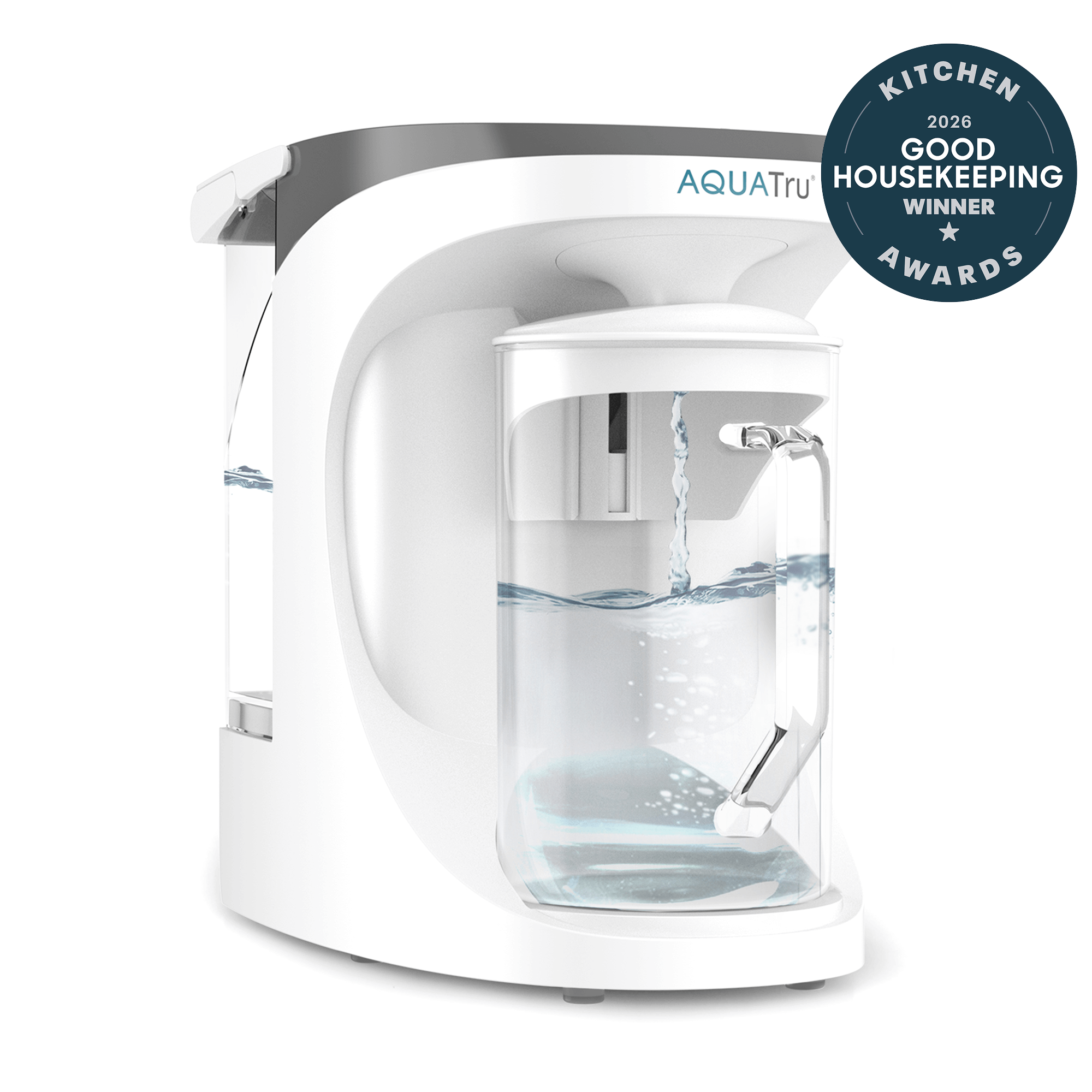
Yes — Cyprus tap water is legally safe to drink and meets EU Drinking Water Directive (2020/2184) standards. The Water Development Department (WDD) and CWWA publish compliance data, and both microbiological and chemical safety standards are consistently met in municipal supply. The question is not safety but quality and taste. Cyprus has two distinct water problems: extreme hardness in limestone areas and flat desalinated taste in coastal zones. Both problems are solved by the same tool — a countertop reverse osmosis filter (AquaTru Classic or Carafe). RO removes hardness minerals, chlorine, chlorine byproducts, and the flat taste from desalination in one step. For Cypriot households, this is not a niche purchase — it is a practical necessity. Most long-term residents of Cyprus already buy bottled water specifically because of taste and scale. A countertop RO unit eliminates that cost.
Limassol Water Quality: Hard Water and Desalination Blend
Limassol (Lemesos) is Cyprus's second city and the centre of its British expat community — approximately 30,000 UK nationals live in the Limassol district. Water supply in Limassol draws from both the Kouris Dam reservoir and the Limassol desalination plant. The blend ratio changes seasonally and with reservoir levels; during dry years (Cyprus faces regular drought conditions), desalination contributes a larger share. Measured hardness in Limassol municipal supply typically falls between 280–380 mg/L CaCO₃ — firmly in the 'very hard' WHO classification. The taste of coffee and tea is noticeably affected. Limescale buildup on appliances is rapid; kettle elements, coffee machine water paths, and shower heads visibly scale within months. Newer apartment buildings in Limassol's marina and seafront districts have modern plumbing, but older residential areas in Agios Athanasios, Mesa Geitonia, and Germasogeia may have ageing internal pipework. The AquaTru Classic or Carafe is the correct filter for Limassol — it removes hardness, chlorine byproducts, and the desalination flat taste simultaneously.
Nicosia (Lefkosia) Water Quality: Limestone and Inland Hardness
Nicosia is the inland capital and relies more heavily on reservoir and borehole supply than coastal cities — meaning less desalination blending but more direct contact with limestone geology. Measured hardness in Nicosia municipal supply typically reads 350–500 mg/L CaCO₃, placing it among the hardest capital city water supplies in Europe. At these levels, limescale is not just a taste issue; it is an appliance maintenance issue. Washing machines, dishwashers, and water heaters in Nicosia homes scale significantly faster than in soft-water countries. The taste of hot drinks is strongly affected — calcium binds to tannins in tea and alters espresso extraction. Older buildings in central Nicosia (particularly those constructed before 1980, common in Pallouriotissa, Aglantzia, and the walled city area) may have ageing internal plumbing with iron or lead-soldered joints. The Cyprus Water Works Authority (CWWA) monitors supply quality at zone level; results are available through the WDD. For Nicosia, countertop reverse osmosis (AquaTru) is the most effective solution — it removes hardness, sediment, and chlorine in one step.
Paphos Water Quality: Expat Hub with Hard Coastal Water
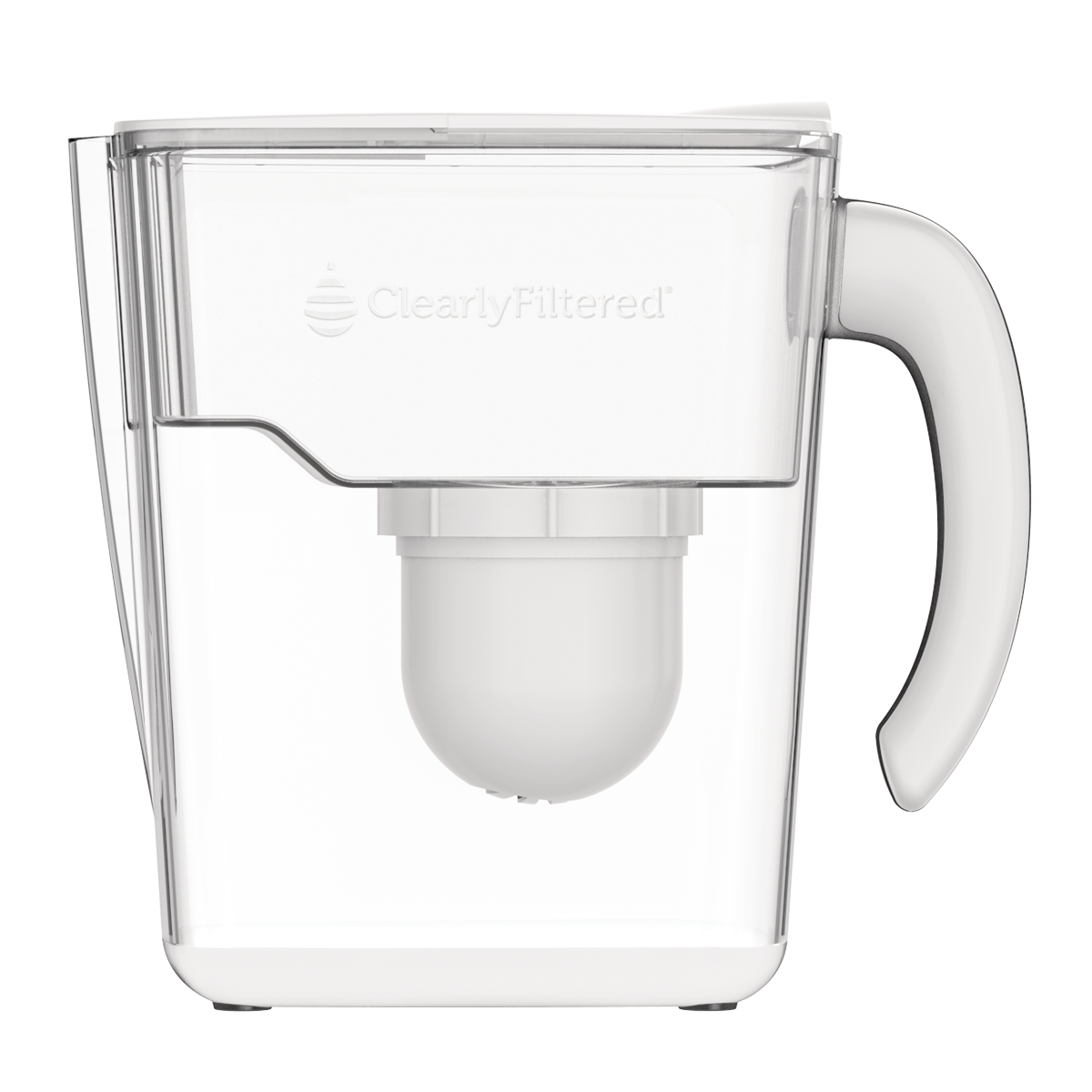
Paphos (Pafos) is home to one of the largest concentrations of British expats in Cyprus, with a significant retiree community in Kato Paphos, Peyia, Chlorakas, and the Paphos hills. Water supply in Paphos draws from the Asprokremmos Dam and the Paphos desalination plant, with blending ratios varying seasonally. Hardness typically reads 260–380 mg/L CaCO₃ in the urban area; inland villages in the Paphos hills can exceed 400 mg/L from direct limestone aquifer supply. Paphos's water has a noticeably flat taste in desalination-heavy periods — residents who have moved from the UK consistently report it as a first-week observation. Rooftop storage tanks are common in villas and older apartment buildings in Paphos; tanks not regularly cleaned introduce additional taste and sediment issues. For the Paphos expat community, the AquaTru Carafe is particularly popular — compact, no plumbing required, produces clean-tasting water for hot drinks, and handles both hardness and flat desalination taste. The Clearly Filtered Pitcher is a budget-friendly alternative for chlorine and taste, though it does not remove hardness minerals.
Larnaca Water Quality: Desalination Capital
Larnaca hosts the Dhekelia Power and Desalination Station — one of the largest desalination facilities in the eastern Mediterranean — and receives a high proportion of desalinated water in its municipal supply. Desalination-heavy supply in Larnaca means lower hardness than Nicosia (typically 200–300 mg/L CaCO₃) but a more pronounced flat, slightly metallic taste. The desalination process produces water that is chemically safe but stripped of natural minerals; remineralisation at the plant restores some calcium and magnesium, but the taste profile differs from spring or reservoir water. Larnaca airport and the surrounding Larnaca Salt Lake area have soil chemistry that can influence borehole water quality in rural zones. Municipal supply in central Larnaca is consistently within EU safety standards. For Larnaca households, the priority is taste improvement rather than extreme hardness management — both the AquaTru Carafe and Clearly Filtered Pitcher address this effectively.
British Sovereign Base Areas: Akrotiri and Dhekelia
The British Sovereign Base Areas (SBAs) — Akrotiri in the southwest and Dhekelia in the east — are home to approximately 7,000 UK service personnel, MOD civilians, and dependants, plus a permanent British-Cypriot civilian population. Water supply in the SBAs is managed by the MOD and draws from the same island infrastructure as the Republic of Cyprus, supplemented by local sources. Dhekelia SBA sits adjacent to the Dhekelia desalination plant, which supplies significant volume to both the SBA and the wider Larnaca district. Akrotiri SBA water supply blends Kouris Dam and Limassol desalination output. In practice, residents of both SBAs encounter the same water quality profile as civilians in the adjacent Cypriot towns: moderate-to-hard water with periodic desalination taste. Families posted to Cyprus from the UK consistently notice the water quality difference. The AquaTru Carafe is a popular solution in SBA housing — it is compact enough for a NAAFI-supplied kitchen, removes hardness and flat taste, and requires no plumbing. Available from Amazon.co.uk with delivery to BFPO Cyprus addresses.
Hard Water Data by Region: Cyprus at a Glance
Cyprus has no central public hardness database equivalent to England's Water UK portal, but WDD monitoring data and published research provide regional estimates. As a general reference: Nicosia district (inland, limestone-dominant supply) typically reads 350–550 mg/L CaCO₃; Limassol district (reservoir + desalination blend) reads 280–400 mg/L; Paphos district (Asprokremmos + desalination blend) reads 260–380 mg/L; Larnaca district (Dhekelia desalination dominant) reads 200–320 mg/L; Famagusta district (south, government-controlled areas) reads 300–450 mg/L. The WHO's 'very hard' classification starts at 180 mg/L CaCO₃ — all of Cyprus falls above this threshold. For comparison, London tap water measures approximately 280 mg/L CaCO₃, which UK residents already consider hard. Cypriot water is harder than London in every region. Standard pitcher filters (Brita, TAPP, etc.) do not remove hardness minerals. Only reverse osmosis removes calcium and magnesium — meaning the AquaTru Classic or Carafe is the only consumer filter category that solves the core Cyprus problem.
Where to Buy Water Filters in Cyprus
Amazon.co.uk ships the AquaTru Classic, AquaTru Carafe, and Clearly Filtered Pitcher to Cyprus with delivery in 5–10 days via standard international shipping; Royal Mail delivers to BFPO addresses. Amazon.de and Amazon.fr also ship to Cyprus and may offer faster delivery for some products. Alpha Mega, Sklavenitis, and Lidl Cyprus carry Brita pitcher filters in-store — these address chlorine taste but do not remove hardness minerals. Costco (Limassol) occasionally stocks countertop water coolers and filter units. The Berkey Big Berkey is available through authorised EU distributors shipping to Cyprus — suitable for households wanting gravity filtration without electricity (useful in areas with power cuts). For plumbed-in whole-house softening, several Cypriot plumbing companies in Limassol and Nicosia install salt-based water softeners; this is the most effective long-term solution for appliance protection but does not improve drinking water taste as effectively as RO. EU-standard Type G plugs (same as UK, 230V) are used throughout Cyprus — all UK-purchased appliances work without adapters. BFPO residents: AquaTru ships to BFPO addresses from Amazon.co.uk.
Water Quality in Other Countries
Every Mediterranean country has different water challenges. Explore our other guides to compare water quality across the region.