💧 Water Quality Overview
Spanish tap water is formally safe and compliant with the EU Drinking Water Directive (2020/2184). The national regulator, the Ministry of Consumer Affairs (Ministerio de Consumo), and regional health bodies monitor quality through the SINAC system. In Madrid, Barcelona, Valencia, and Seville, municipal treatment is consistent and regularly audited. That said, Spain stands out in Europe for the hardness of its water. Most of the country sits above 200 mg/L CaCO3, with the south and interior regularly hitting 300–500+ mg/L — classified as 'very hard' by WHO standards. This isn't a health risk, but it causes significant limescale damage to appliances, worsens the taste of hot drinks, and shortens the life of water heaters and dishwashers. Chlorine taste is present across all major cities. Lead from pre-1980 building pipes remains a concern in older urban neighbourhoods. PFAS monitoring has intensified since the EU's January 2026 limits. Hard water requires a different solution than soft-water regions: a gravity pitcher filter will not remove hardness minerals. Countertop reverse osmosis (RO) is the correct tool for most Spanish households.
Key Water Quality Concerns
- Hard water — Spain is one of Europe's hardest-water countries. Madrid, Barcelona, Valencia, Zaragoza, and most of Andalusia and the Balearic Islands regularly exceed 300 mg/L CaCO3. Limescale builds on appliances, and the taste of tea and coffee is noticeably affected
- Chlorine taste — added in municipal treatment across all major cities; detectable by smell and taste, especially in southern Spain where higher temperatures accelerate treatment requirements
- Lead from old pipes — buildings constructed before 1980 (widespread in historic city centres: Madrid's Lavapiés and Malasaña, Barcelona's Gràcia and Eixample, Valencia's Ruzafa) may have lead or galvanised interior plumbing; municipal treatment cannot remedy this downstream
- PFAS (forever chemicals) — EU Drinking Water Directive 2020/2184 introduced strict PFAS limits from January 2026; SINAC has flagged several groundwater sources near agricultural zones in Andalusia, Valencia, and Catalonia for increased monitoring
- Agricultural runoff — nitrates and pesticide traces in private wells and rural supply systems, particularly in Murcia, Almería, and the Valencia plain (intensive horticulture zones)
Is Tap Water Safe to Drink in Spain?
Yes — tap water in Spain is legally safe to drink and meets EU Drinking Water Directive (2020/2184) standards. Spain's SINAC (Sistema de Información Nacional de Aguas de Consumo) tracks quality at thousands of supply points nationwide, and compliance in major cities is consistently high. The issue is not safety — it is quality. Spain has some of the hardest tap water in Europe. If you are in Madrid, Barcelona, Valencia, Alicante, or anywhere along the southern coast, your tap water contains 200–500+ mg/L of calcium and magnesium. This is not a regulatory problem, but it makes water taste noticeably mineral, destroys appliances over time, and means a standard pitcher filter is not solving the underlying problem. For Spanish conditions, countertop reverse osmosis is the practical solution: it removes hardness minerals, chlorine, lead, and PFAS in a single stage.
Hard Water in Spain: Why It Changes Everything
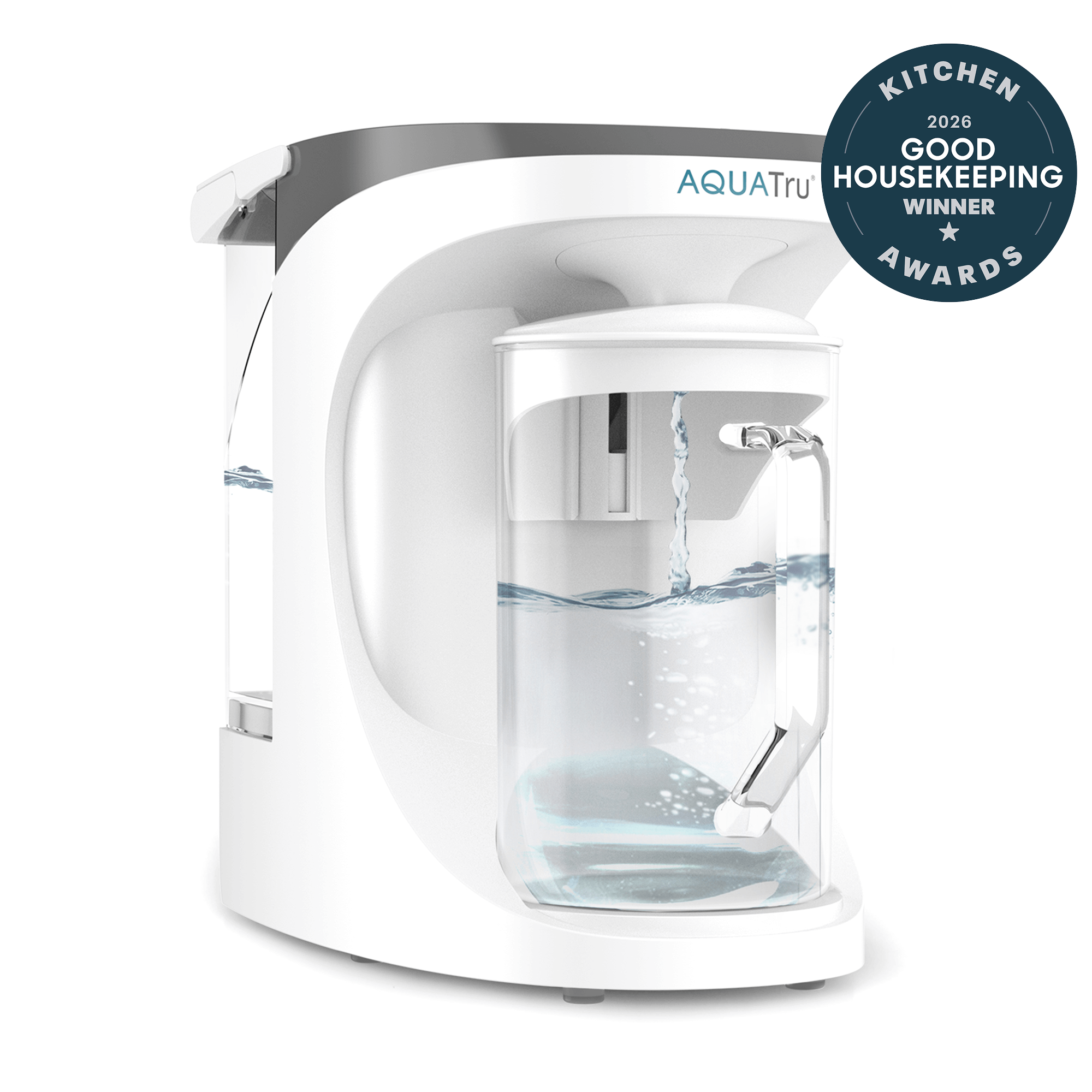
Most water filters reviewed online are designed for soft-water countries (UK, northern Europe). Spain is different. The Spanish plateau, Andalusia, Murcia, the Balearic Islands, and the Mediterranean coast all sit on limestone geology, which means groundwater picks up high concentrations of calcium carbonate before it ever reaches a treatment plant. Water hardness above 300 mg/L is classified as 'very hard' by the WHO. At this level, a gravity filter or activated carbon pitcher does almost nothing — these technologies do not remove dissolved minerals. Reverse osmosis (RO) does. The AquaTru Classic and AquaTru Carafe are the two countertop RO systems we recommend for Spain because they remove hardness minerals (calcium, magnesium), chlorine, lead, PFAS, and nitrates without requiring under-sink installation or plumbing modifications. For households in Madrid, Barcelona, Valencia, or the Costa del Sol, this is the correct category of filter.
Barcelona Water Quality
Barcelona's water is supplied by Aigües de Barcelona from the Ter and Llobregat rivers. Both sources carry elevated hardness levels from their Pyrenean and central Catalan catchments — Barcelona city water typically reads 300–350 mg/L CaCO3. The Llobregat is also more susceptible to agricultural and industrial influence than Pyrenean-fed sources, making PFAS and nitrate monitoring particularly relevant for Barcelona consumers. Chlorine is noticeable, especially in summer. In older building stock — Gràcia, Eixample, El Born, Poble Sec — lead plumbing risk applies. Barcelona is consistently one of the Spanish cities where residents report the most dissatisfaction with tap water taste, which explains the country's enormous bottled water consumption. A countertop RO filter directly addresses the root cause: hardness, chlorine, and trace contaminants in a single unit.
Madrid Water Quality
Madrid's water comes from the Sierra de Guadarrama reservoirs (Atazar, Manzanares, Guadalix systems) and is managed by Canal de Isabel II — one of Spain's most technically advanced utilities. Source water is relatively soft by Spanish standards due to granite geology in the Sierra, but distribution and treatment processes bring hardness up through contact with pipes and treatment chemicals. Madrid tap water typically measures 200–280 mg/L CaCO3 — hard, but on the lower end for Spain. Chlorine is very detectable in Madrid; the utility uses high doses during summer months. Buildings in Malasaña, Lavapiés, La Latina, and Carabanchel (significant pre-1970 stock) carry lead pipe risk. Canal de Isabel II provides quality data at canal.es for each district.
Valencia and the Costa del Sol
Valencia and the Mediterranean coast represent Spain's hardest water zones. Valencia city water regularly measures 400–500 mg/L CaCO3 — the upper end of the 'very hard' classification. The Costa del Sol (Málaga, Marbella, Fuengirola, Estepona) draws on groundwater sources with similar hardness profiles. At these levels, limescale deposits on taps, shower heads, and appliances are visible within months. Kettles accumulate scale rapidly. Water softeners are common in these regions for whole-house use. For drinking water specifically, countertop RO (AquaTru Classic or Carafe) is the standard recommendation: it removes hardness, chlorine, and PFAS without the salt and infrastructure requirements of a whole-house softener.
Andalusia and the Balearic Islands
Andalusia covers Seville, Córdoba, Granada, Jaén, Almería, Cádiz, Huelva, and Málaga — a diverse region with variable water sources. Urban Andalusia (Seville, Granada, Córdoba) receives treated municipal supply from reservoirs and is compliant with EU standards, but chlorine taste and hardness are common. Almería and Murcia rely heavily on desalinated seawater and aquifer sources, with high mineral content. The Balearic Islands (Mallorca, Menorca, Ibiza, Formentera) use desalinated and groundwater sources, with Mallorca's groundwater in particular showing elevated salinity and hardness. Intensive agriculture in Almería, Murcia, and the Valencia hinterland raises nitrate and pesticide monitoring concerns in well-dependent areas. PFAS monitoring across these zones has increased under the January 2026 EU directive.
Where to Buy Water Filters in Spain
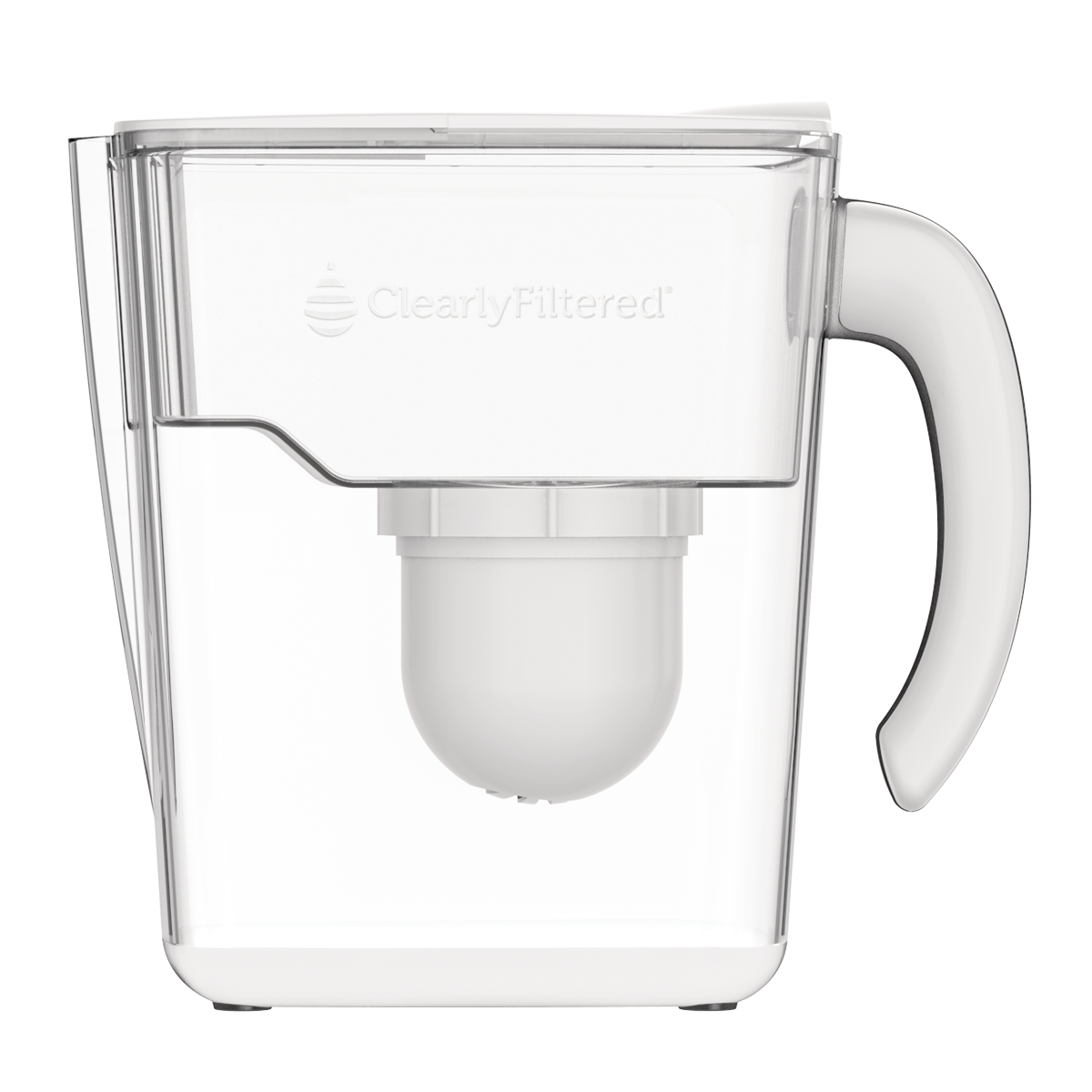
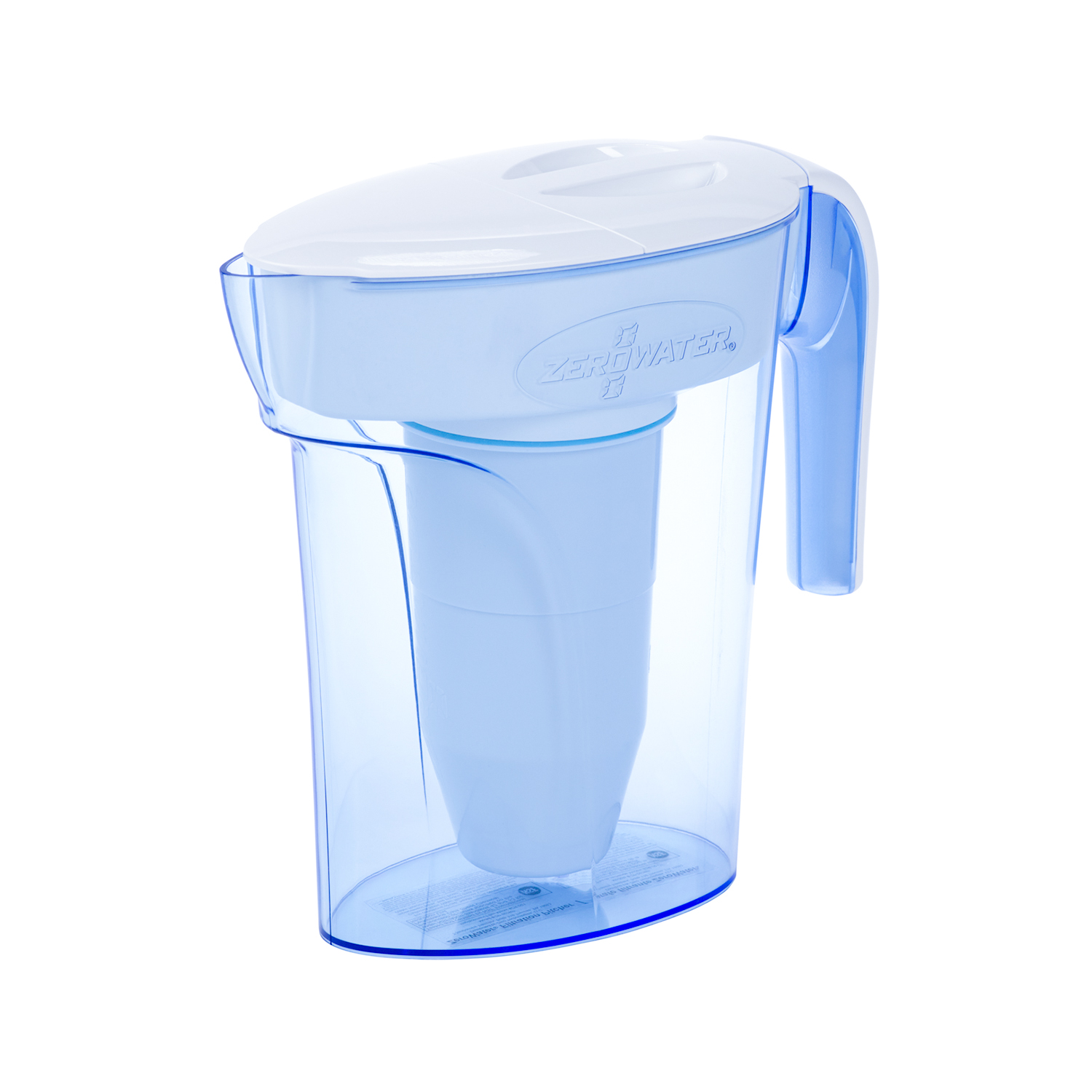
The highest-certified countertop RO filters are best sourced online. Amazon.es carries the AquaTru Classic, AquaTru Carafe, and Clearly Filtered Pitcher with delivery across Spain in 2–4 days. Manufacturer sites (aquatruwater.com, clearlyfiltered.com) ship directly to Spain with EU-standard plugs included. TAPP Water (tappwater.es) is a Barcelona-based company with a Spain-specific site and good pitcher filter options — though pitcher filters address chlorine and taste, not hardness. El Corte Inglés, MediaMarkt, and Carrefour carry Brita pitcher filters in-store, which are adequate for chlorine reduction but do not remove hardness minerals or PFAS. For hard-water regions (Valencia, Barcelona, the south), pitcher filters are a partial solution at best.
Water Quality in Other Countries
Every Mediterranean country has different water challenges. Explore our other guides to compare water quality across the region.